It sounds counterintuitive: adding texture or pattern to a wall in a small room, rather than keeping every surface plain to preserve space. But a well-placed feature wall can actually make a compact room feel more considered and spacious, not less, if it’s used with restraint.
Feature walls have become one of the most requested elements in Malaysian renovations, from fluted panels behind TV consoles to textured headboard walls in condo bedrooms. Here’s how to choose one that suits a smaller space, our climate and your budget.
1. Choose One Wall, Not the Whole Room
The effect works because of contrast. A single feature wall against otherwise neutral surroundings draws the eye and adds depth. Apply the same treatment to every wall and the room loses that focal point, and can start to feel smaller, not bigger.
The best wall is usually the one your eye naturally lands on: the wall behind the TV in a living room, behind the bed in a bedroom, or the end wall of a long, narrow corridor. In narrow condo living rooms, treating the short end wall can make the space feel wider, because it visually pulls that wall closer and balances the proportions.
2. Fluted and Grooved Panels Add Depth Without Bulk
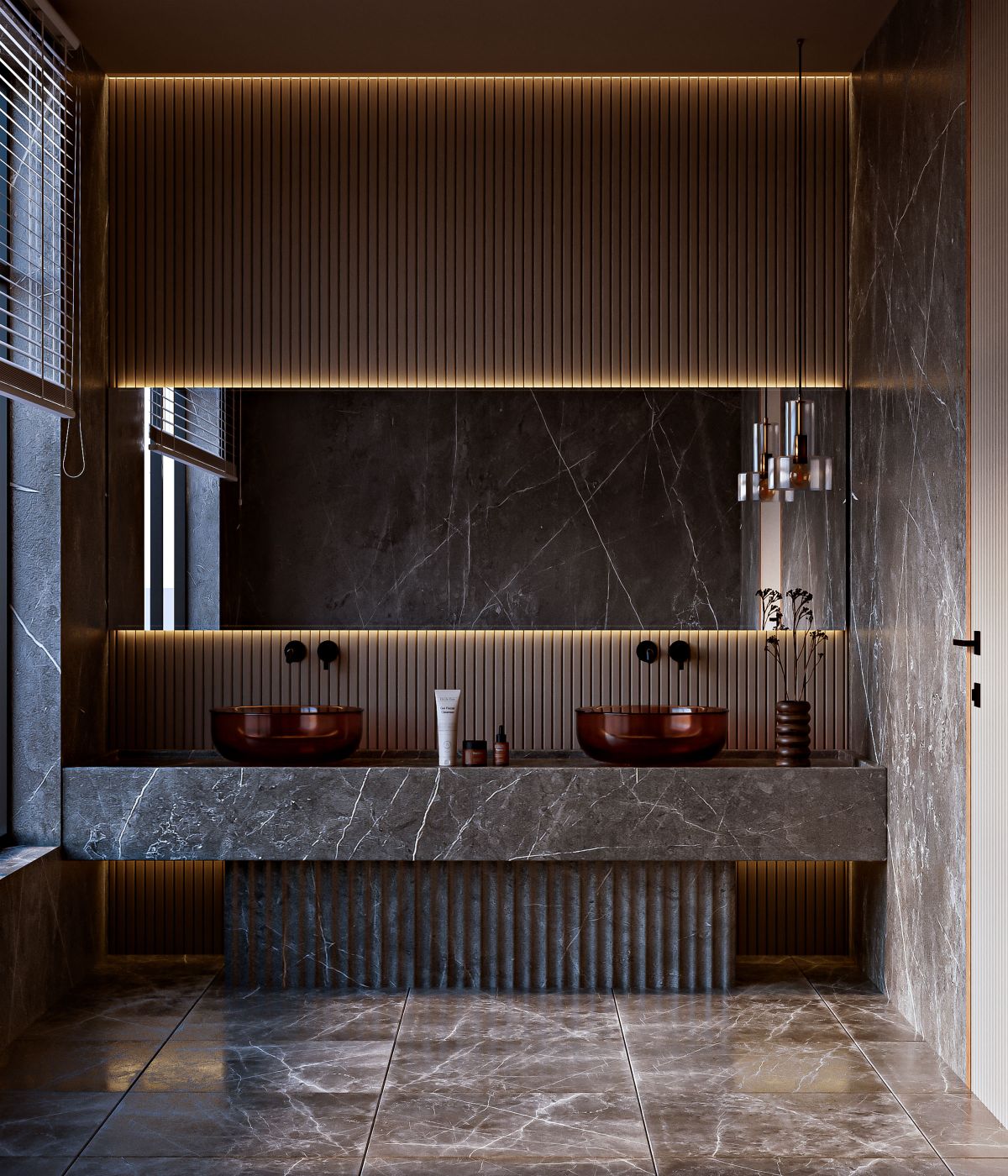
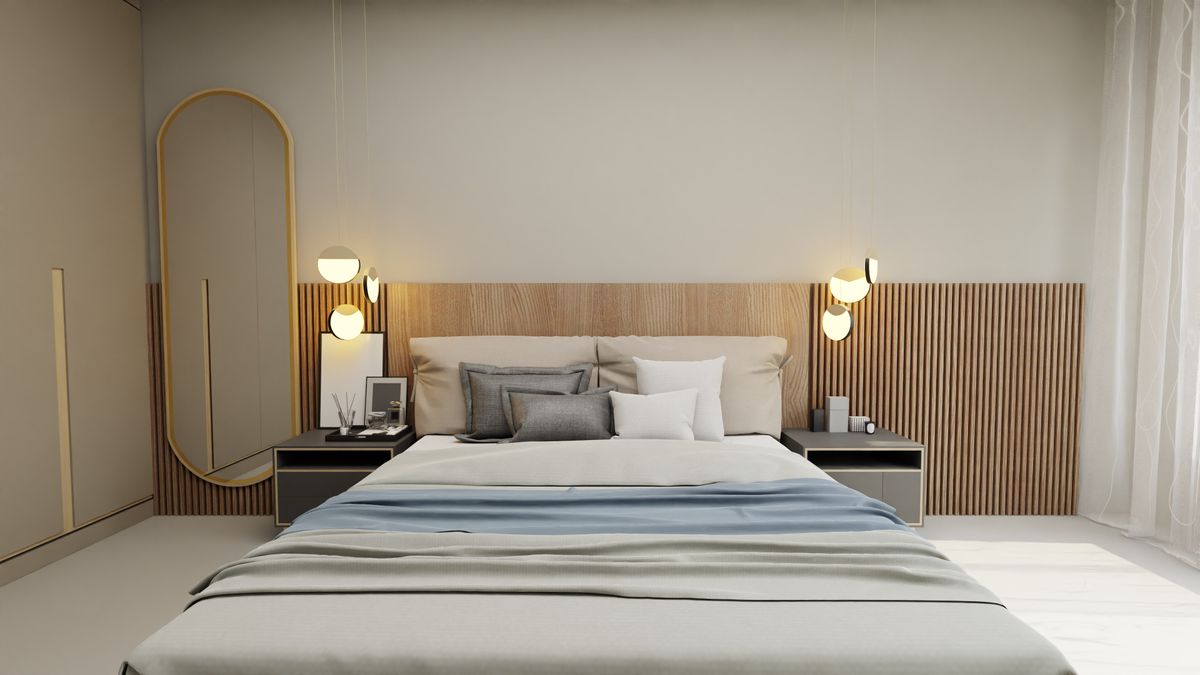
Vertical fluted panelling is one of the most effective feature wall treatments for compact rooms. The vertical lines draw the eye upward, subtly increasing the sense of ceiling height, while the panels themselves add only a shallow amount of depth to the wall. That matters in condos, where standard ceiling heights can make rooms feel low.
Fluted panels come in several materials. PVC and WPC panels are lighter, cheaper and more water-resistant, which suits humid rooms. MDF or plywood panels with laminate or veneer feel more premium, but they need proper sealing and shouldn’t be fixed directly onto walls with damp problems. In Malaysia, fluted panels typically cost somewhere around RM60 to RM150 per square foot depending on material and design.
3. Know Your Options and Their Costs
A feature wall doesn’t have to be expensive. A bold or deep paint colour is the most affordable option, often costing just a few ringgit per square foot. Wall beading or wainscoting, painted to match or contrast with the wall, typically adds texture for around RM20 per square foot. PVC panelling sits around RM40 per square foot, while plywood with laminate can run to RM90 per square foot or more.
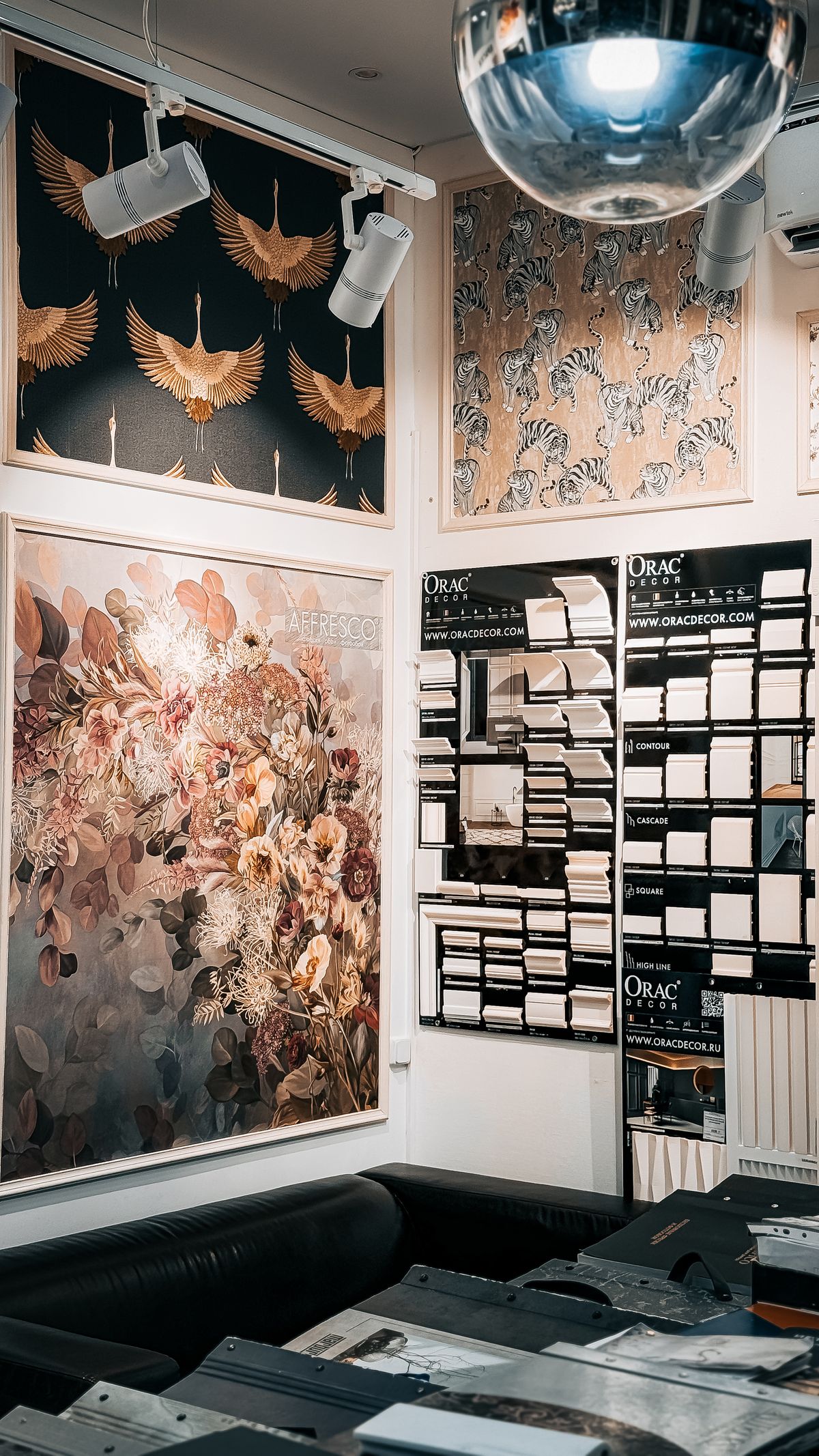
Wallpaper is another option, and modern vinyl and non-woven papers perform much better in humid conditions than older types. Even so, it should be installed on a properly dry, sealed wall, and we avoid it on walls exposed to rain, moisture or poor ventilation, where edges can lift and mould can develop underneath.
Limewash and textured mineral paints have also become popular for a soft, handmade look. They are breathable, which is helpful in a humid climate, and their subtle variation adds depth without pattern, making them a good fit for minimalist or Japandi-style spaces.

4. Keep the Rest of the Room Quiet
A feature wall does its job best when it isn’t competing with a busy floor, patterned curtains or an equally bold accent piece elsewhere in the room. Letting the rest of the space stay simple gives the feature wall room to actually read as a feature.
Integration helps too. A feature wall that incorporates a built-in TV console, concealed storage or hidden wiring looks intentional and reduces clutter at the same time. Many of our TV feature walls hide a ventilated compartment for routers and set-top boxes, so the wall stays clean while everything still works.
In bedrooms, the headboard wall is the natural choice. An upholstered or fluted panel behind the bed, extended to the ceiling, gives a compact room a clear focal point and can incorporate bedside reading lights and power points. Keeping the side tables slim or wall-mounted then frees up floor space, which matters in condo bedrooms where every few centimetres around the bed count.
5. Match the Material to the Room’s Light
In naturally darker rooms, a matte or lightly textured finish tends to work better than a high-gloss surface, which can look flat without strong light to reflect. Rooms with good natural light have more flexibility to take on richer tones or reflective finishes.
Lighting can make or break a feature wall. A linear LED strip at the top or bottom of a fluted panel, or a recessed wall washer, brings out the texture through shadow, especially in the evening. Warm white light works best for wood-look and textured finishes, while west-facing walls with strong afternoon sun should avoid finishes that fade, such as some natural veneers.
6. Use Colour and Scale to Your Advantage
Colour choice changes how a feature wall affects a room’s size. Deeper tones on the feature wall, such as a muted green, terracotta or charcoal, can make that wall appear to recede, adding a sense of depth, especially when the surrounding walls stay light. Very bright, saturated colours do the opposite and can make a small room feel busy.
Scale matters as much as colour. Large-format patterns and wide panels tend to suit small rooms better than tiny, intricate ones, which can look cluttered from a distance. A feature wall that includes a large mirror, or panels with a subtle sheen, can also bounce light around a compact room and make it feel noticeably more open.
7. Think About Maintenance in Our Climate
Textured walls collect dust, and in humid conditions, dust can combine with moisture to leave marks. Deep grooves are harder to clean than shallow ones, so for busy households with children, we tend to recommend panels with wider, shallower flutes and wipeable finishes.
Before installing any panel system, it’s worth checking the wall itself. External walls that absorb rain or walls next to bathrooms can carry moisture that eventually damages panels from behind — the same humidity issues that affect cabinetry. Fixing the source first, and leaving a small air gap behind panels where needed, helps a feature wall last.
Key Takeaways
- One feature wall creates contrast; treating every wall the same removes it.
- Vertical fluted panels can make a room feel taller without adding real depth.
- Budgets range widely, from a few ringgit per square foot for paint to RM150 or more for premium fluted panels.
- Choose humidity-tolerant materials, and check the wall for moisture before installing.
- A quiet surrounding room and good lighting let the feature wall stand out as intended.
- Shallow, wipeable textures are easier to keep clean in a dusty, humid climate.
Curious what would work for a specific wall in your home? Share a photo of the space and we can suggest a treatment suited to its light and proportions.
Book a Consultation