One of the most common questions we get early in a project is whether a piece should be custom-built into the space or bought as freestanding furniture. Neither is inherently better. They solve different problems, and most homes end up using a mix of both.
The right answer depends on your layout, your budget, how long you plan to stay, and whether the property is for your own use or for rental. Here’s how we help clients think it through, with the costs and practical issues that matter in Malaysian homes.
When Built-In Makes Sense
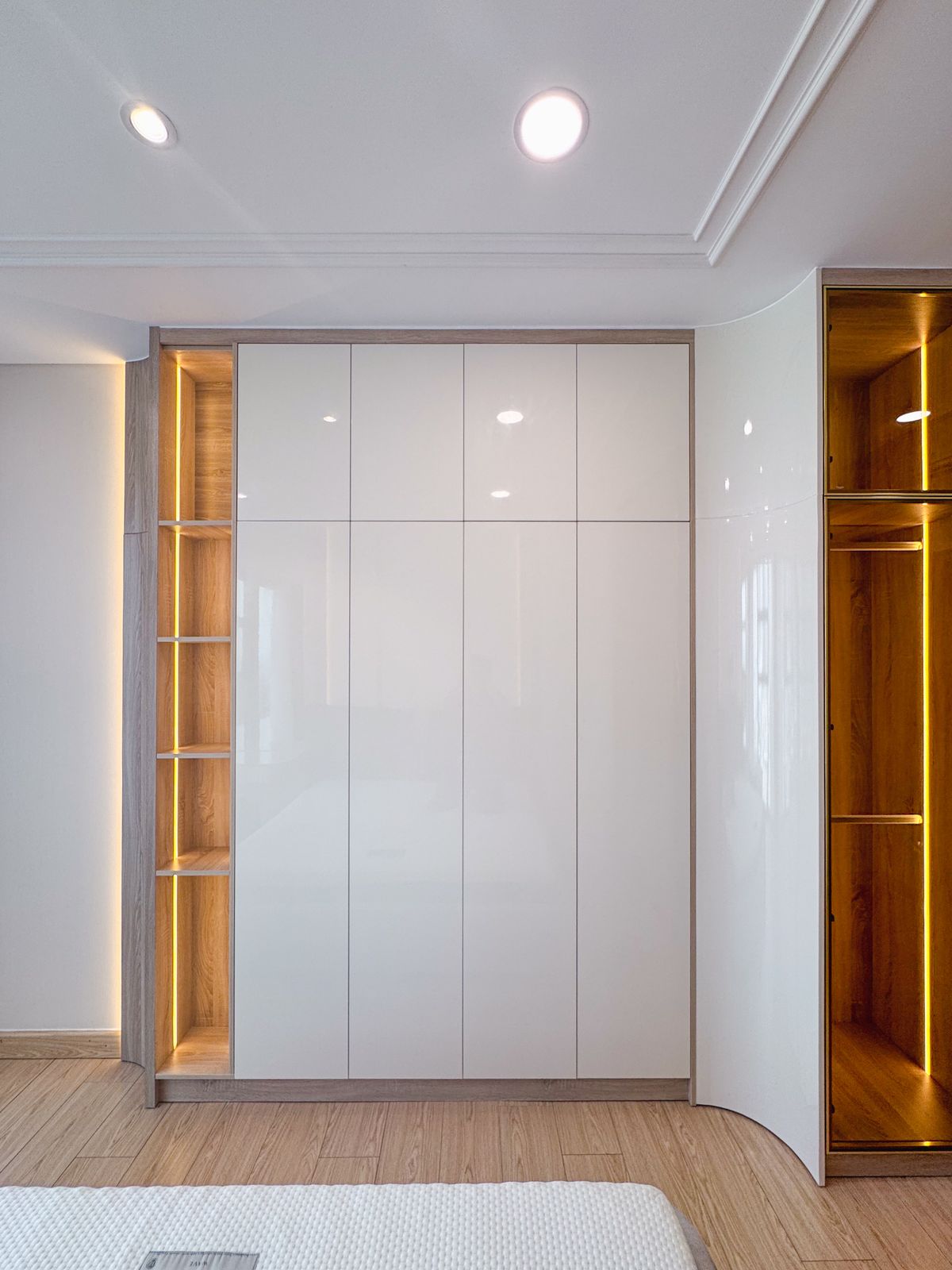
Built-in furniture is the better choice when a space has an awkward footprint, when you want a completely seamless look, or when you know exactly how you’ll use the space for years to come. Wardrobes, kitchen cabinetry and TV consoles are typically better as built-ins because they’re shaped precisely to the room, with no wasted gaps.
In compact condos, built-ins can make a noticeable difference. A full-height wardrobe that runs wall to wall and floor to ceiling can hold far more than a freestanding one of the same width, and it doesn’t leave dust-collecting gaps above or beside it. Built-ins also make it easier to integrate lighting, power points and cable management, for example a TV console with concealed wiring or a study desk with sockets built in.
Built-ins are also the natural choice for homes you plan to stay in long term. If you’ve bought a landed home to raise a family in, or a condo you intend to live in for a decade or more, the case for custom carpentry is much stronger than for a short stay.
When Loose Furniture Makes Sense
Freestanding pieces make more sense when flexibility matters, such as if you rent, plan to move within a few years, or simply like the option to rearrange a room. Sofas, dining tables and accent chairs are usually better left loose, since they’re easier to replace or reposition as needs change.
Loose furniture also suits rooms whose purpose may change. A spare bedroom might be a study now and a nursery in two years, or a room for an elderly parent later. Keeping that room flexible avoids paying for carpentry you might later want to remove.
For tenants, built-ins are rarely worth the money, because they stay with the property. Most tenancy agreements also restrict drilling and alterations, so quality freestanding pieces that you can take with you are usually the better investment.
When buying loose furniture for our climate, look at construction as well as looks. Solid hardwood frames, kiln-dried timber and performance fabrics that resist mould and fading tend to outlast cheaper alternatives. Sofas with removable, washable covers are especially practical for households with children or pets, and for homes that see heavy use during festive gatherings.
What It Actually Costs
Built-in carpentry in Malaysia is usually quoted per foot run, meaning per foot of length. Custom wardrobes commonly range from around RM400 to RM1,500 or more per foot run depending on the board, door style and internal fittings. Kitchen cabinets range from roughly RM220 per foot run for basic melamine to RM600 or more for premium aluminium or plywood with high-end finishes.
To put that in context, an 8-foot full-height wardrobe could cost anywhere from about RM3,200 to well over RM10,000 depending on specification. A freestanding wardrobe from a mass-market retailer will cost less upfront, but it may not use the full height or width of the wall, and it typically won’t last as long in a humid environment.
Remember that the per-foot-run price usually covers the basic box and doors. Internal fittings such as pull-out baskets, soft-close drawers, glass doors, LED strips and premium handles are often priced separately, and they can add a significant amount to the final figure. When comparing quotes, check that each one specifies the same board, laminate brand and hardware, otherwise you may not be comparing like with like.
Built-ins generally cost more upfront per piece because they’re custom-fabricated, but they can be more cost-effective over time by making full use of available space and avoiding the need to replace ill-fitting furniture later. Loose furniture offers more flexibility to spread spending out or upgrade gradually, which can help when a renovation budget is already stretched.
Thinking About Resale and Rental
Quality built-ins, especially a well-designed kitchen and good wardrobes, are often appreciated by buyers and tenants, since they reduce the work and cost of moving in. Fully furnished units in popular areas can also command higher rental than empty ones.
The caveat is taste. Highly personal built-ins, such as an unusual colour scheme or a feature wall built around a specific piece of furniture, may not appeal to the next owner. If resale is likely within a few years, we recommend keeping built-ins in neutral finishes and saving bold choices for loose pieces that move with you.
Practical Considerations Before You Commit
In condominiums, installing built-ins usually needs approval from the management office as part of your renovation application (here’s how the approval stage fits into a project), and delivery may require a booked service lift and protected common areas. Large freestanding pieces face the same lift restrictions, so it’s worth measuring the lift, corridor and unit door before ordering a big sofa or wardrobe.
Before deciding, ask a few simple questions. How long will you live here? Will the household change, with children arriving, parents moving in or adult children moving out? Is the wall or corner a standard shape that freestanding furniture can fill well, or an awkward one that only custom work can use properly? Honest answers usually make the right choice for each room fairly clear.
A Practical Middle Ground
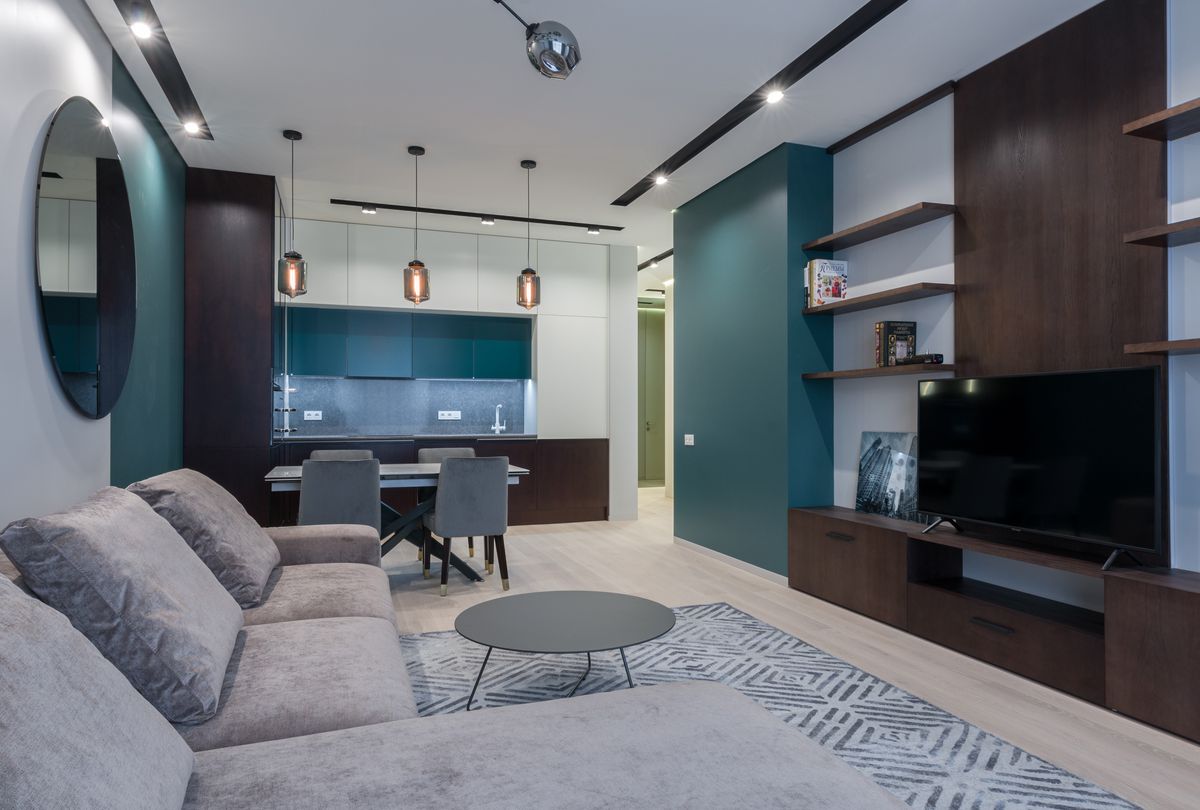
Most of the homes we design use built-ins for storage-heavy, fixed-use areas, such as kitchens, wardrobes, shoe cabinets and entertainment walls, and loose furniture for social and flexible spaces like the living and dining areas. That mix tends to give the best balance of a tailored look and everyday adaptability.
The key is designing both together. When built-ins and loose furniture are planned as one scheme, with matching wood tones, consistent proportions and clear walkways, the result feels cohesive rather than assembled piece by piece. We often help clients choose loose furniture alongside the carpentry so the two work as a whole.
Key Takeaways
- Built-ins suit fixed, storage-heavy areas, awkward footprints and homes you plan to stay in long term.
- Loose furniture suits renters, rooms whose purpose may change, and pieces you want to take with you.
- Built-in carpentry is priced per foot run; specification can change the cost several times over.
- Neutral built-ins appeal to future buyers and tenants; save bold choices for loose pieces.
- Most homes benefit from a deliberate mix of both, planned together as one scheme.
Not sure which approach fits your space? Tell us how you plan to use the room and we’ll recommend a mix that makes sense for your budget and timeline. You can also read more about what we offer.
Book a Consultation