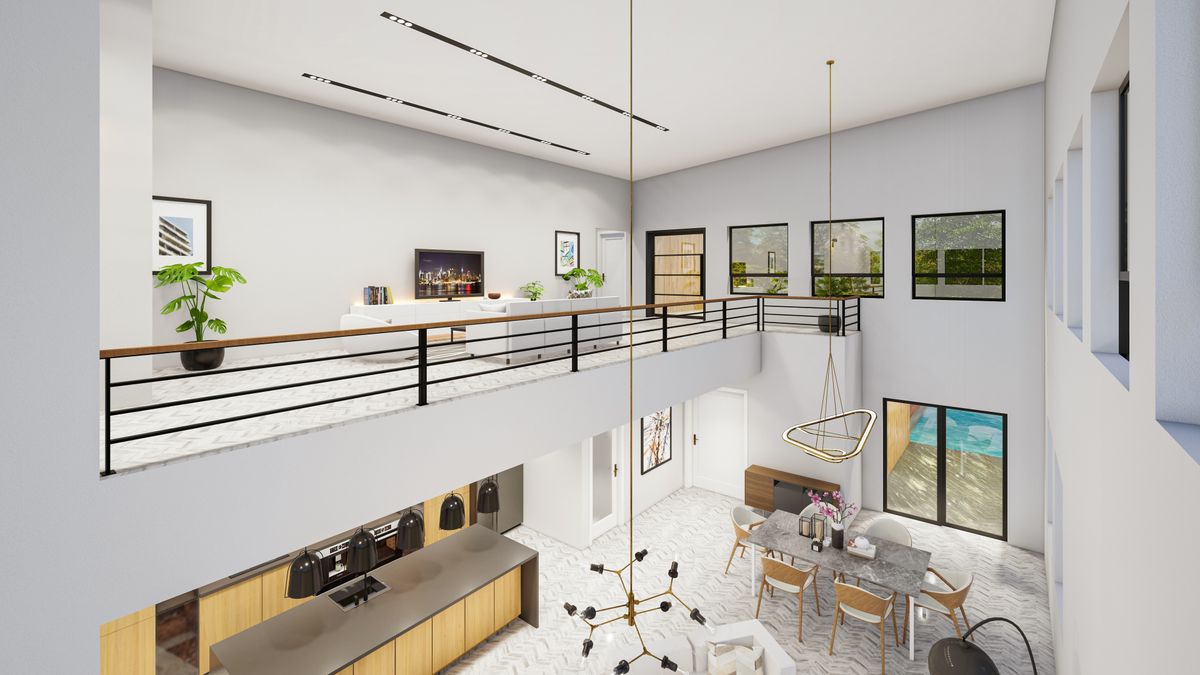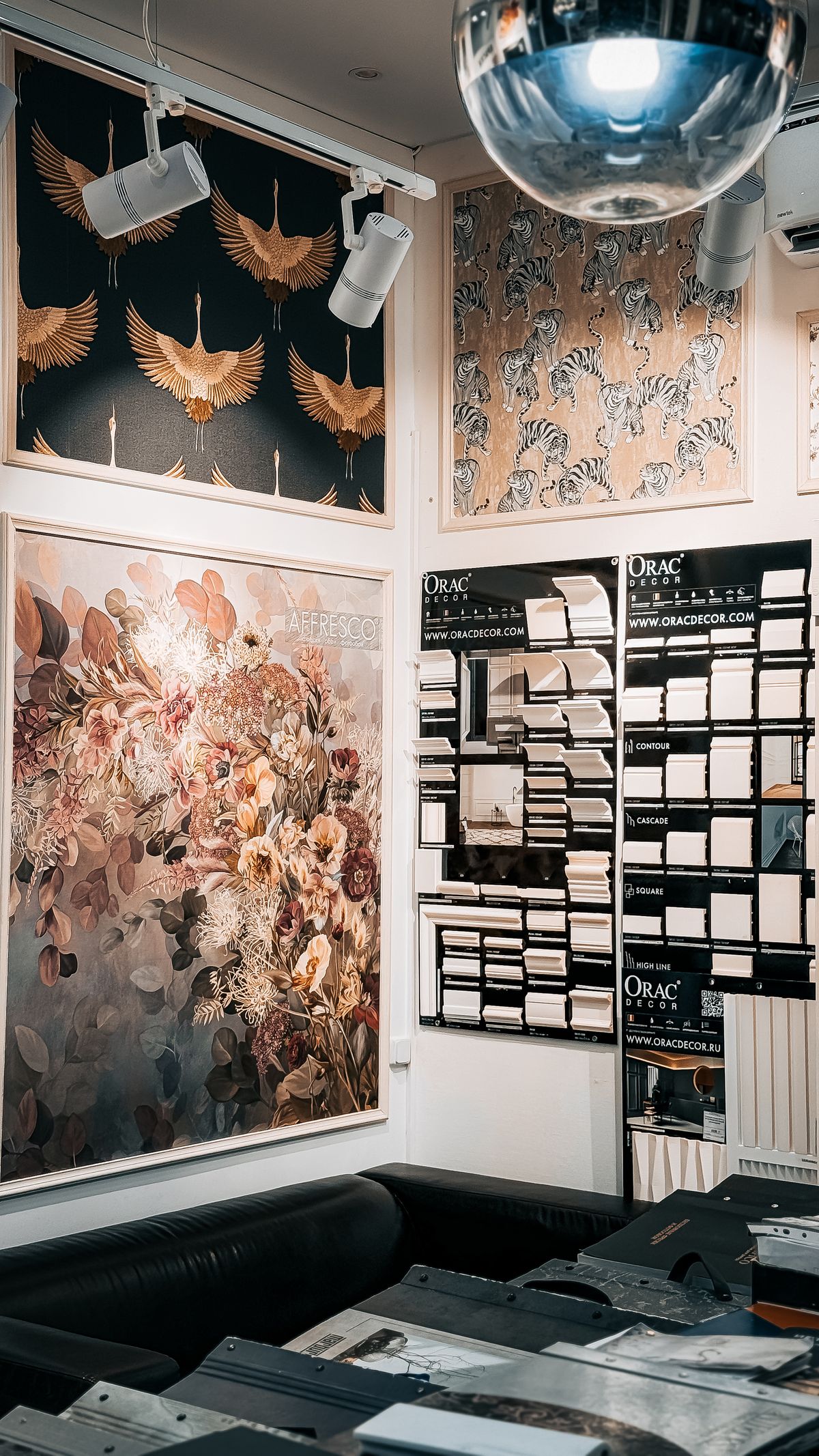
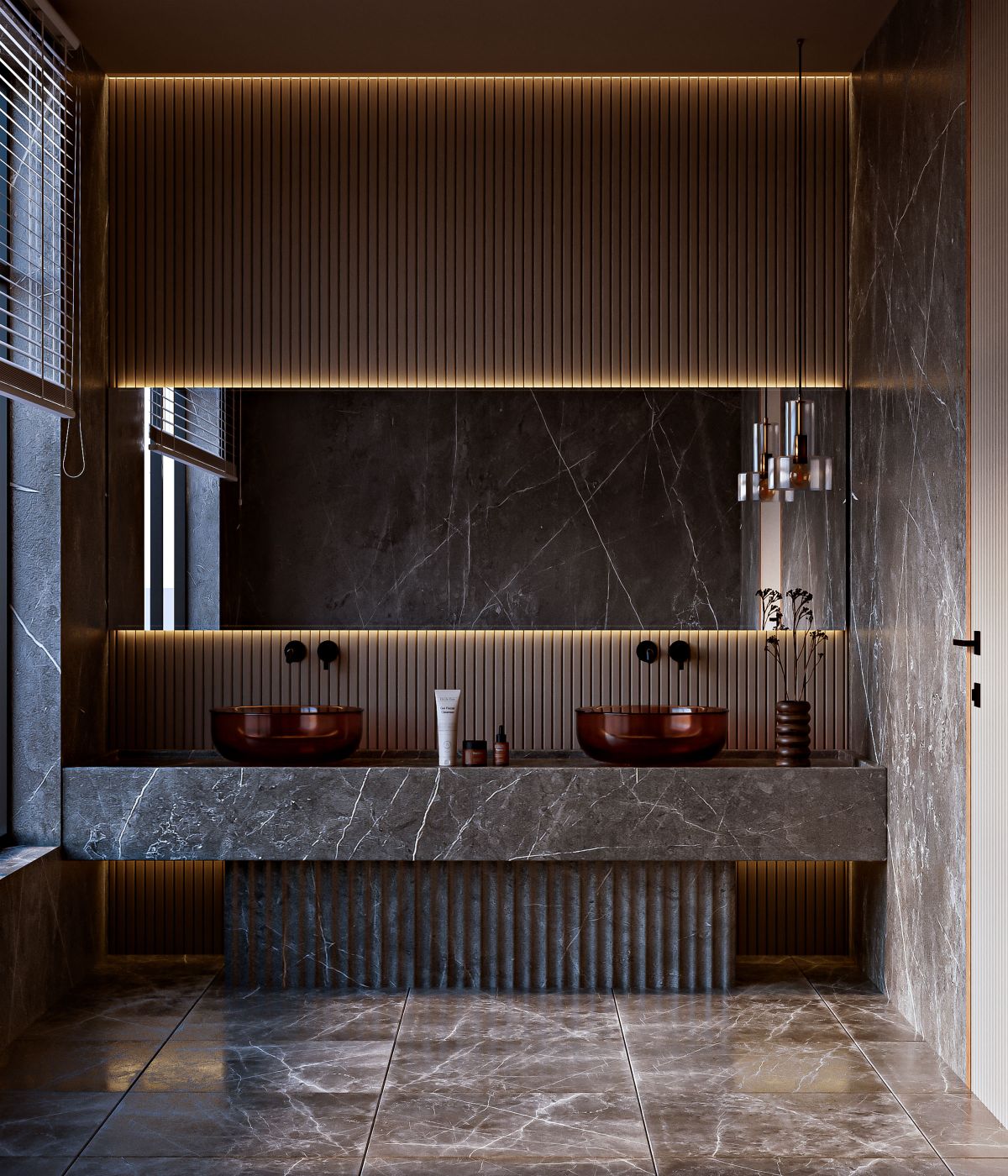
A material that performs beautifully in a temperate climate can behave very differently in Malaysia’s heat and humidity. Relative humidity across the country commonly sits between 70 and 90 percent, and Kuala Lumpur averages above 80 percent through the year, according to World Meteorological Organization climate data. In those conditions, solid timber can warp, certain adhesives can fail early, and finishes that look identical on a sample chip can age in noticeably different ways once installed.
Material choice here isn’t just about aesthetics. It’s about what will still look and function well in five or ten years. These are the factors we weigh before recommending anything for a project.
1. Know What’s Inside the Cabinet, Not Just the Surface
Most built-in carpentry in Malaysia uses one of a few core boards. Chipboard with a melamine finish is the most affordable, often starting around RM220 to RM450 per foot run for kitchen cabinets, but it swells if water gets past a damaged edge. Plywood with a laminate finish costs more, roughly RM330 to RM570 per foot run, and holds up much better in damp areas. Aluminium cabinets, popular for wet kitchens, generally start around RM400 per foot run.
None of these is wrong in every situation. Melamine can be perfectly sensible for a bedroom wardrobe in an air-conditioned room. The mistake is using the same board everywhere. We match the core to the conditions each cabinet will actually face.
Solid timber deserves a special mention. It’s beautiful, but it expands and contracts as humidity changes, which is why wide solid-timber panels can crack or warp over time. Plywood with a real wood veneer, typically costing around RM380 to RM690 per foot run for kitchen cabinets, gives a genuine wood look with far better stability, though it still isn’t ideal right beside a sink or hob.
Indoor air quality is worth asking about too. Wood-based panels release formaldehyde from their adhesives, and Malaysia now has a standard, MS 2705, setting emission limits for these boards (the Forest Research Institute Malaysia has studied emissions from local panels). We favour low-emission boards, particularly for bedrooms and children’s rooms, and recommend airing out newly fitted rooms well before moving in.
2. Moisture Resistance Comes First in Wet Areas
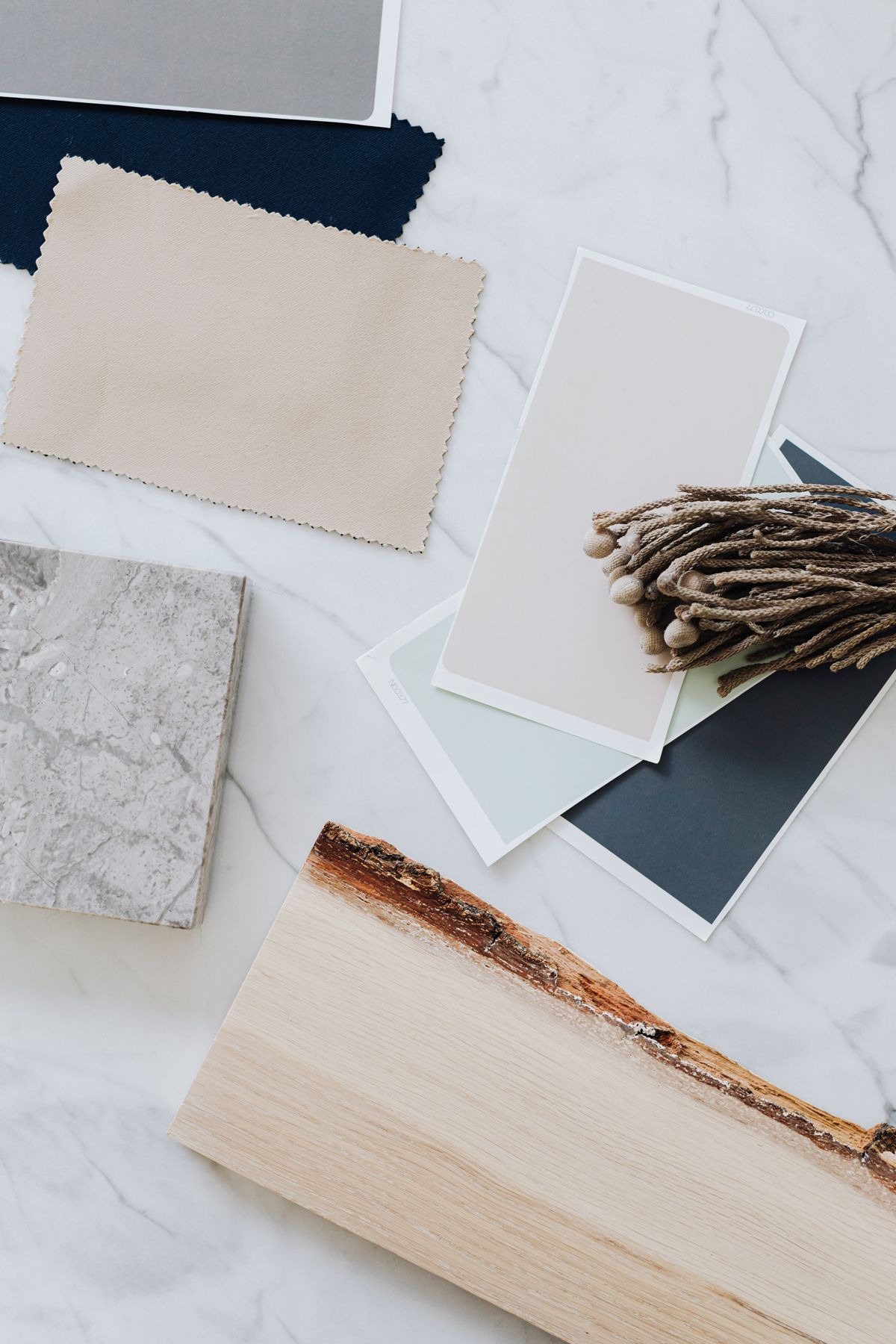
Kitchens, bathrooms and anywhere near a balcony door need materials engineered to resist swelling and delamination. High-pressure laminates and moisture-resistant board cores generally outperform raw veneers in these zones, without sacrificing the wood-look finish most homeowners want.
Edges matter as much as faces. Most water damage starts where edge banding has lifted or a cut edge was never sealed, usually under the sink or beside the dishwasher. We seal exposed edges and keep the sink cabinet on a separate, more resistant specification. For wet kitchens that see daily washing, aluminium or plywood carcasses are usually the more durable choice.
3. Take Termites Seriously
Termites are a real risk in Malaysian homes, not just older ones. In Peninsular Malaysia, the Asian subterranean termite is responsible for most of the damage to wood in urban buildings, and research on infested homes has found cabinets among the most commonly attacked items, along with doors and window frames.
Good practice starts before installation: checking the site for existing activity, avoiding untreated timber in contact with floors and walls, and leaving built-ins on a plinth or legs where practical so any activity is easier to spot. For landed homes, professional soil treatment or a baiting system is worth discussing before an expensive carpentry package goes in.
4. Choose Countertops for How You Cook
The four most common countertop materials in Malaysian kitchens are solid surface, quartz, granite and, increasingly, sintered stone. Solid surface is the most affordable, often around RM100 to RM200 per foot run, and allows seamless joints, but it scratches more easily and can mark under hot pots.
Quartz typically ranges from around RM200 per foot run for local brands to RM600 or more for premium imported ones, and handles both wet and dry kitchens well. For heavy wok cooking, we recommend using trivets on any surface and paying attention to how a material handles turmeric, curry and oil stains, since those are the everyday tests that matter in a Malaysian kitchen.
Granite is very hard and heat-tolerant but needs periodic sealing, and its natural pattern varies from slab to slab. Sintered stone is highly resistant to heat, scratches and stains, which makes it a strong choice for wet kitchens, though it costs more and its thin slabs need careful handling during installation. We bring samples to the site so clients can test them with the oils and sauces they actually use.

5. Consider How a Finish Ages, Not Just How It Looks New
Matte and textured finishes tend to hide fine scratches and fingerprints better over time than high-gloss surfaces, particularly in humid conditions where surfaces are wiped down more often. We factor this into recommendations for high-traffic areas like kitchen cabinetry and TV consoles.
Sunlight is the other factor. West-facing rooms get intense afternoon sun, which can fade veneers, fabrics and some laminates over a few years. In those spaces, we lean toward UV-stable laminates and suggest window films or blinds to protect both furniture and flooring.
6. Hardware Matters as Much as the Surface
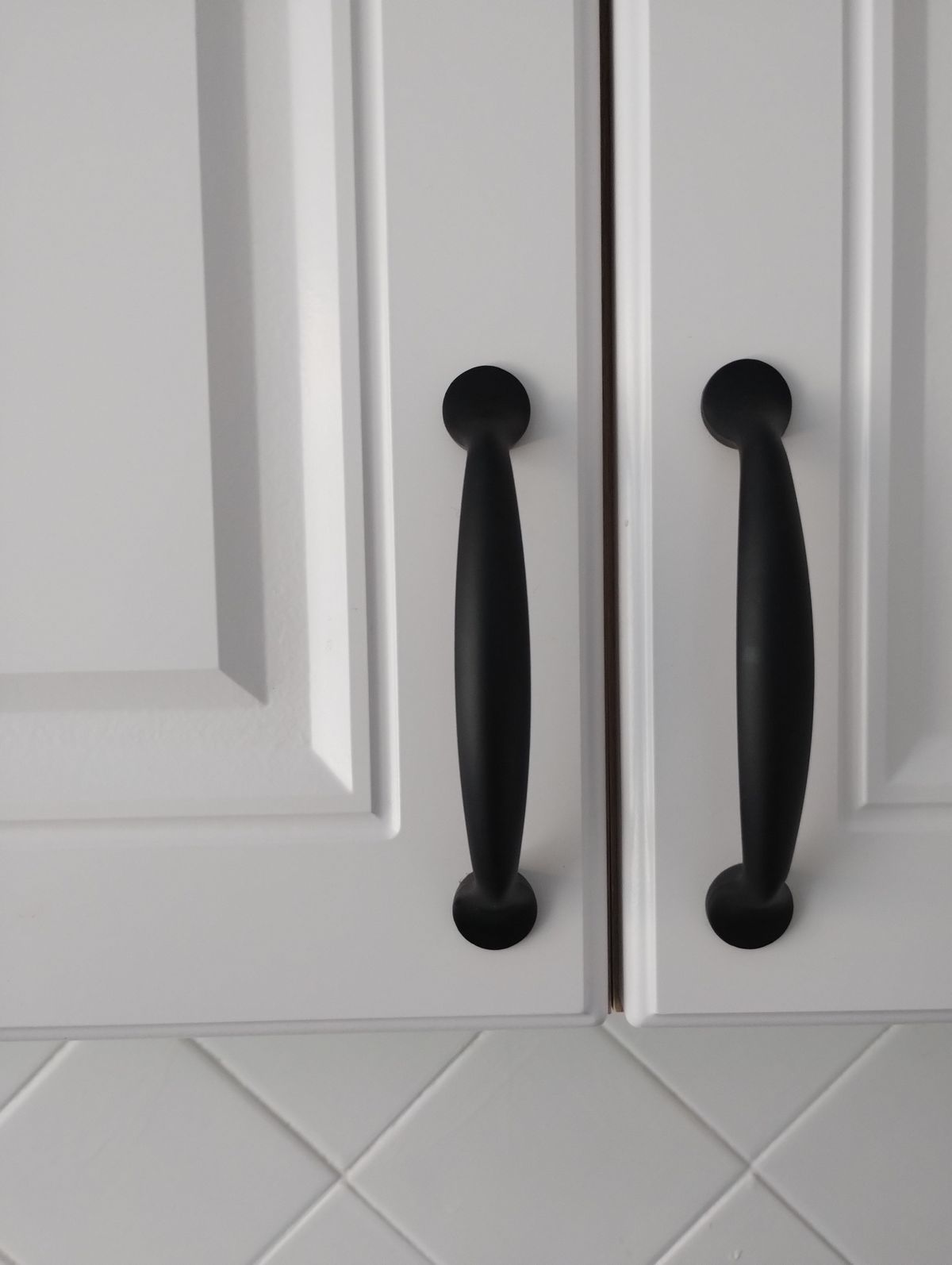
Hinges, runners and handles are exposed to the same humidity as the cabinetry itself. Lower-grade hardware corrodes or stiffens faster in Malaysian conditions, which is why we specify hardware rated for the environment rather than defaulting to whatever’s cheapest.
The grade of stainless steel matters. Grade 304 contains more nickel and resists corrosion well in kitchens and bathrooms, while cheaper grade 201 is better suited to dry, decorative uses and can show rust spots in wet or salty conditions. This is especially relevant for homes near the coast, in places like Penang, Port Dickson or Johor Bahru.
7. Ventilation Design Extends Material Life
Even the right materials can underperform in a poorly ventilated space. Where possible, we factor airflow and moisture exposure into cabinetry placement, for instance leaving clearance behind units in kitchens and utility areas rather than sealing them flush against damp walls.
Mould typically starts to thrive once humidity stays above about 75 percent, and experts generally recommend keeping indoor humidity between 40 and 60 percent. Running air-conditioning or a dehumidifier periodically, and opening wardrobes to air out, makes a noticeable difference to how long cabinetry stays in good condition.
Key Takeaways
- Match the cabinet core to each location: melamine for dry rooms, plywood or aluminium for wet areas.
- Sealed edges and a separate specification for the sink cabinet prevent most water damage.
- Plan for termites before installation, especially in landed homes.
- Choose countertops based on how you cook, including stains from turmeric, curry and oil.
- Specify grade 304 stainless steel hardware for kitchens, bathrooms and coastal homes.
- Ventilation and humidity control help every material perform as intended over time.
If you’re unsure whether a material you’ve seen online is suitable for our climate, ask us before committing — it’s a quick conversation that can save a costly redo.
Book a Consultation- Wikipedia — Kuala Lumpur climate data (World Meteorological Organization)
- Recommend.my — Types of kitchen cabinet materials in Malaysia
- Recommend.my — Aluminium kitchen cabinets: pros, cons and pricing
- EdgeProp — Selecting kitchen countertops
- MyBIS / Department of Standards Malaysia — Subterranean termite prevention and treatment in buildings
- Journal of Tropical Forest Science (FRIM) — Formaldehyde emission from Malaysian wood-based panels
- Alibaba.com — Stainless steel grade selection guide: 304 vs 316 vs 201